Audience Strategy

WHAT COULD YOUR FANS HELP BUILD IF YOU INVESTED IN THEM?

Last week, I asked whether we were talking about superfans or super wallets.

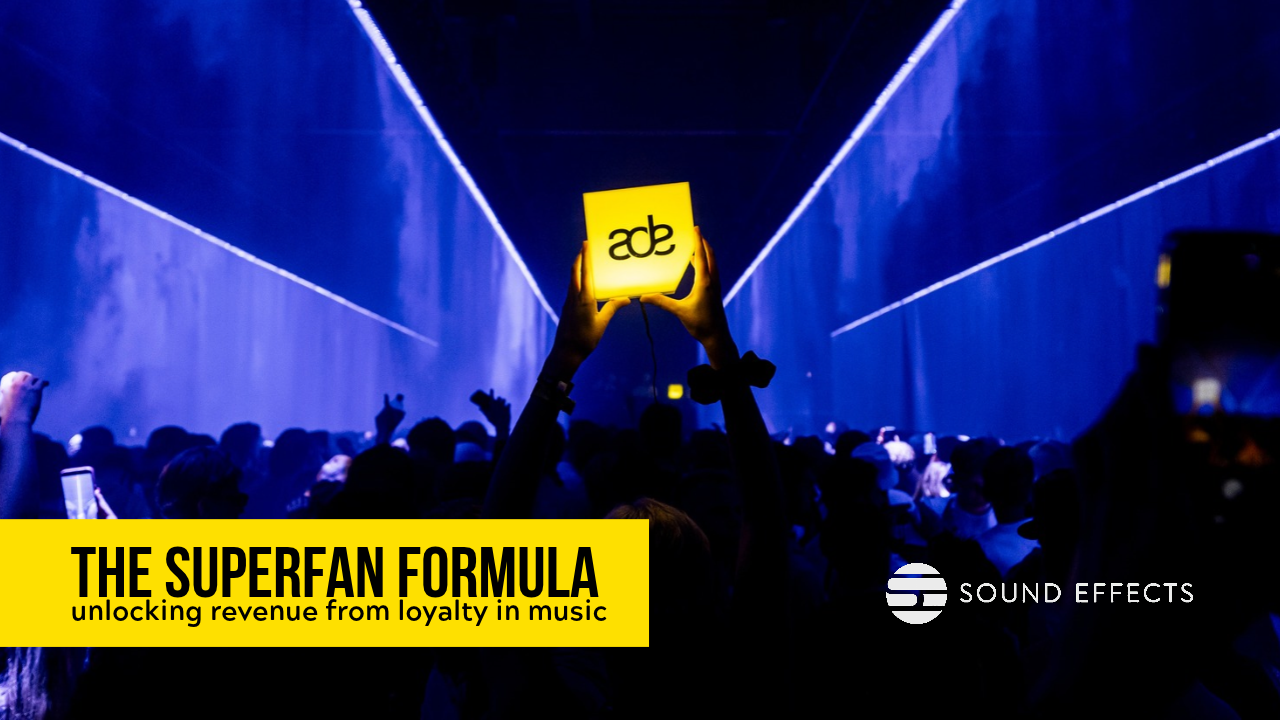
With Amsterdam Dance Event opening today, I want to take that a step further. What are we prepared to invest in the people who care? My worry is that “superfan” still too easily becomes shorthand for someone we can sell more expensive shit to.

Fan-Centric & Superfan Revenue Models is an important conversation. Artists need sustainable businesses. But a plan built around asking the same people to spend more has limits.

A fanbase is an asset to invest in. Not a resource to be bleed dry for short-term gain, with the risk of destroying the very thing you’re hoping to grow.

Fans bring ideas, knowledge and connections. Someone who welcomes newcomers or introduces friends to your music can contribute enormously, even if they cannot afford another premium package.

From First Time Visitors to Lifetime Fans explores how those lasting relationships develop. For me, that starts with understanding what made the experience matter. Did someone feel they belonged? Did the music connect with something in their life? Did they find people who understood them?

Follower counts, likes and purchases can’t answer those questions on their own. Even repeat attendance only tells us they came back. Understanding why means talking to people about what they feel, value and believe. That understanding helps us see what fans might enjoy contributing, and identify other people likely to connect for similar reasons.

Then there’s Becoming the Fans First Choice in an Agentic World. In plain English, that includes AI helping people decide what to do. My question is what makes someone care enough to seek you out or recommend you to a friend.

Even after all the artists we’ve worked with, across different genres and far-flung corners of the world, we go into each project without preconceived ideas. The best innovations and opportunities come from the fans themselves. They’re hardly going to say, “Oh, what we really want is a Superfan App.” But listen properly, watch what they do, and those unspoken needs start to reveal themselves. That’s where the opportunities are.

Before planning the next premium offer, invite fans into a conversation about something they would love to help create. Understand why it matters, support a useful idea and show them what happened because they contributed.

Those conversations can also reveal worthwhile new offers: experiences people actually want, or partnerships that fit their interests. That gives revenue growth a foundation in what matters to fans.

That takes time, attention and resources between releases and events. It gives fans a reason to stay involved when there is nothing new to buy.

What could your fans help build if you invested in them?

Nancy, a behavioural scientist on our Sound Effects team, will be at ADE this week. If you’re exploring fan understanding and growth, reply and I’ll introduce you.

SFF51: AI CAN CREATE CONTENT. IT CAN’T MAKE US CARE.

AI has never had its heart broken. That was Sting’s beautifully simple explanation for why AI-generated music may be technically competent without necessarily being meaningful.

It also points to a much bigger truth: when everything becomes easier to make, human meaning becomes more valuable.

New Superfan Formula: AI Can Create Content. It Can’t Create A Reason To Care.

SFF50: WHY CRM CAN'T FIND YOUR NEXT GENERATION OF FANS.

YOUR NEXT FANS AREN’T IN YOUR CRM.

  • They haven’t bought anything.

  • They haven’t joined the mailing list.

  • They haven’t clicked, followed, registered or attended.

  • They may not even know that the artist is relevant to them yet.

That makes them invisible to almost every fan system the music business currently uses.

A CRM is immensely useful once somebody has entered the relationship. It cannot identify the people outside it, or explain what might bring them in.

If growth is the objective, that is a fairly significant blind spot. This edition of The Superfan Formula examines what CRM can do, what it cannot do and why finding future fans requires a different kind of insight.

SFF49: YOUR SINGLE CUSTOMER VIEW STILL DOESN’T SHOW THE WHOLE PERSON

Hold up, hold up!! We need to pause for the briefest of moments and think about something slightly nonsensical.

Music is among the most personal and powerful of all art forms. It soundtracks the highs and lows of human experience. Sport is much the same: the irrational adoration of a team seemingly incapable of winning.

Emotion. Identity. Memory. Belonging.

Yet the principal systems we use to profile the 'identifiable fan' cannot capture, analyse or explain the basis of that human connection.

They can connect every stream, click, purchase, ticket and interaction. Brilliant. Valuable. Technically impressive.

But the technology can connect the evidence. It cannot make the human meaning appear.

And if the person has never purchased, registered, attended, downloaded or joined? They are not an incomplete record. They are completely invisible.

SFF48: YOUR CRM IS NOT YOUR FAN STRATEGY

The platform is sophisticated. The segmentation is impressive. The automation is powerful. - CRM Can Manage Fan Data. It Can’t Explain Why Fans Care.

Then comes the revealing question: “So, what are you actually doing with it?” If the answer is eleven or twelve predominantly transactional emails each year, an extraordinary CRM can quickly become a very expensive mailing list.

Technology can distribute and scale communication. It cannot create the fan relationship - or the strategy - on its own.

YOU CAN OWN THE DATA AND STILL MISUNDERSTAND THE FAN

Owning fan data matters. But possessing the record of someone’s behaviour is not the same as understanding the person.

The fan who spends most may not be the most passionate. The supporter who attends least may be making the greatest sacrifice. And some of your most influential advocates may barely appear in your database at all.

Article 47 of The Superfan Formula asks a deceptively simple question: what do you actually understand when you ‘own’ the fan data?

SFF45: YOU KEEP USING THE WORD “INSIGHT”…

I’m sorry to be the bearer of bad news, but the slide in your presentation labelled “Insights” probably doesn’t contain any.

Streams increased by 14%. Frequent match attendees buy more replica shirts. Vinyl buyers spend more on concert tickets.

These may be useful observations, patterns or correlations. But they do not necessarily explain why anything happened. And without the human explanation, we may be measuring activity while completely misunderstanding the person.

This atricle: why data, evidence and insight are not interchangeable and why knowing what fans did yesterday is not enough to create growth tomorrow.

You Keep Using the Word “Insight”…

AN AUDIENCE IS NOT A COMMUNITY. AND A COMMUNITY IS NOT A FAN STRATEGY.

There’s a growing consensus across music - and increasingly sport - that we need to build stronger, more direct relationships with fans. I agree completely, but we also need to be much more precise about what we mean.

An audience is not automatically a community.

A database is not automatically an owned relationship.

A group of highly engaged consumers is not automatically a fan strategy.

And calling something a community does not make it one.

Not every fan wants the same relationship. Some want access. Some want recognition. Some want to participate, create or advocate. Some simply want to listen, attend and remain quietly loyal for decades.

That does not make them less passionate. Although many of the engagement metrics we use to judge fandom would suggest otherwise.

This week’s edition of The Superfan Formula distinguishes between six things that are related - but absolutely not interchangeable.