
Possessing the record of someone’s behaviour isn’t the same as understanding the person.
A few weeks ago, I argued that artists, managers, sports teams and rights-holders need to take greater ownership of their fan relationships. And hey, I still stand by every word.
If your entire relationship with your audience exists through Spotify, TikTok, Ticketmaster, Amazon, Instagram, or any other intermediary, stop kidding yourself that you truly own that relationship.
You don’t…the platform does.
It decides what you can see, who you can reach, how much that access costs and, ultimately, whether you can reach those people at all. Oh, and in most cases, it can take it all away. So yes, owning fan data matters, but having persuaded the industry to take ownership seriously, we now need to prevent it making the next mistake:
Believing that owning the data means understanding the fan.
Because, oh my word, it certainly doesn’t.

WHAT DO YOU ACTUALLY OWN?
An artist may now know who:
Pre-saved the single
Bought the vinyl
Purchased a ticket
Opened an email
Joined a Wallet Pass
Entered a competition
Clicked on a piece of content
And a sports organisation may combine:
Ticketing
Match attendance
Membership
Merchandise
Hospitality
Website behaviour
App activity
Loyalty and rewards
All creating an increasingly detailed record of identifiable fan behaviour. Now, don’t get me wrong, that’s valuable…never said it wasn’t people. It allows organisations to communicate directly, do a level of audience segmentation (based on ‘Descriptors’, something we’ll expand on another time), personalise offers and reduce their reliance upon third-party platforms.
But what does it actually tell us about the human being behind the record, or the motivations and impulses that produced that behaviour? For example, do we know why the artist matters to them? What the club represents within their identity? Why they attended one event but ignored another? Whether they feel valued, taken for granted, exploited or increasingly treated as little more than a source of revenue? Hey, do we have the first idea of what they might want next, or are we simply looking at what they did before?
THE FAN YOU VALUE MOST MAY NOT BE YOUR MOST VALUABLE FAN!
Aside from being a bit of a mouthful, this title’s important, because it flags where data can quietly distort our understanding.
If we define importance through visible behaviour, the person who spends most, attends most or engages most frequently will naturally rise to the top. They become the “best fan.”
Meanwhile, someone who cannot afford the premium package, lives too far away to attend regularly, isn’t active across every social platform or Discord, or buys second-hand merchandise may appear commercially insignificant. Yet that person may have introduced ten others to the artist.
They may organise every away trip, run an influential fan account, coach the local junior team or sustain the culture surrounding a club within their family and community. They may be one of the most passionate and influential people in the entire audience, yet if their value is expressed through advocacy, emotional commitment and social influence rather than transactions, much of it may never appear in the database.
Conversely, the person who spends most may not be the most loyal, influential or emotionally connected. They may simply have more disposable income.
When we confuse spending with passion, we do not merely misunderstand individual fans, we build the wrong hierarchy of value.
Looking back, during my major-record-company days, our work uncovered a particularly uncomfortable example of how behavioural data can distort our understanding of fan value.
As digital piracy and peer-to-peer file-sharing tore through the industry, we studied the motivations and behaviour of some of its most prolific perpetrators across several global markets.
What we discovered was rather inconvenient.
The most chronic pirates were often among the most fanatical music fans. They simply didn’t have the financial means to satisfy their appetite for music legally.
They over-indexed for live music and merchandise. They were respected and trusted within their communities. And - the real kicker - they were around six times more likely than the average music fan to share information about an artist they had discovered and loved.
Behaviourally, the industry classified them as some of its least valuable consumers. Attitudinally, they were potentially among its most influential advocates.
Commercially, it might have been more astute to give them free vinyl and the occasional guest-list place than to spend millions pursuing teenage file-sharers through the courts.
You can imagine the reaction when we floated that suggestion in a 43rd-floor Midtown Manhattan boardroom.
Oh, happy memories.

ONE ACTION. MANY POSSIBLE MEANINGS.
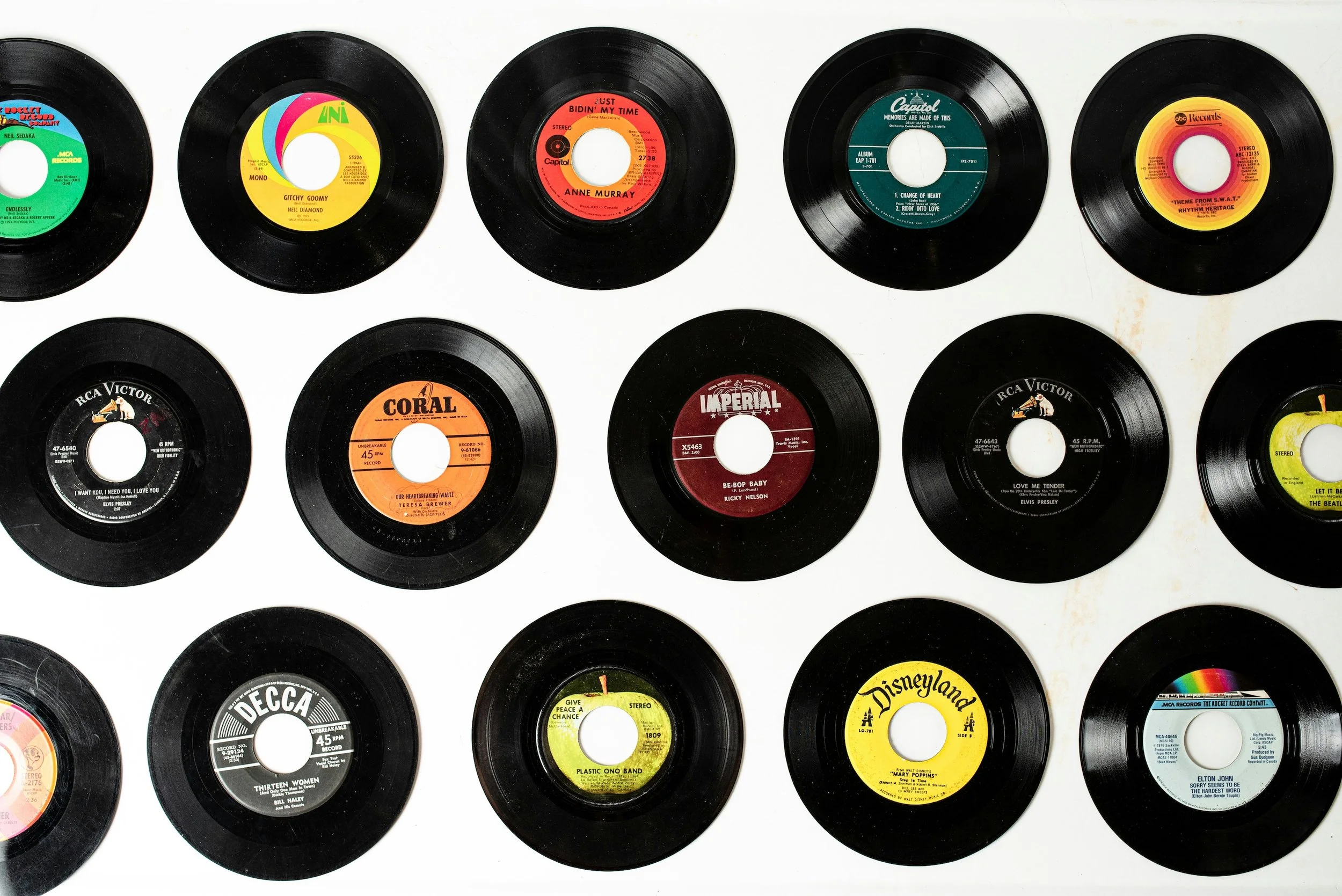
So, in the interests of labouring a point - as is so often my wont - imagine three people buying the same limited-edition splatter vinyl. Better still, imagine it’s a strictly limited pressing from Blood Records. The database records three almost identical transactions, but one buys it because the music changed their life, and they need it in every format. Another buys it because the object is scarce and may increase in value and they’re not bothered who the artist is (they’re a Blood Records brand fan). The third buys it as a present for their daughter, came across it by chance. Ok, I know this is an extremely simplified example, but you get my point - the behaviour is identical, yet the relationship with the artist is not.
The same applies in sport. Three supporters may attend exactly four matches during a season, one desperately wants to attend more but cannot afford it. The other attends only when the team is winning. A third may be caring for someone, working irregular shifts or travelling hundreds of miles. The attendance data records four fixtures. It doesn’t record sacrifice, frustration, loyalty, convenience or intent.
If we treat those supporters as a single segment because their behaviour looks similar, we risk sending them the same message, making them the same offer and completely missing what would matter to each of them. Interestingly, we’d call this the ‘Kardashian Principle’ at Sound Effects...all based on empirical evidence among US consumers, but alas that’s yet another story we’ll have to explain at a later date.
OWNED DATA STILL CONTAINS BLIND SPOTS
There is also a more fundamental limitation. Your database contains only the people who have become identifiable. They’ve subscribed, registered, purchased, attended, downloaded, followed or joined.
But, what about the people who recognise the artist but have never explored beyond one song?
The local family that knows the club but has never considered attending – because of any number of misconceptions of what that means?
The former supporter who quietly drifted away?
The younger audience encountering a catalogue track through a film, game or social post but forming no lasting relationship with the artist?
The passionate music or sports fan who could care, but currently doesn’t?
They are not missing because somebody failed to integrate the data correctly. They are missing because they have not generated any data to integrate. An owned database can provide a clearer view of the people already on the map, but it can’t, by itself, show us who is missing from it. Or why.

OWNERSHIP IS THE BEGINNING, NOT THE DESTINATION
The industry is right to invest in first-party data. Artists, managers, clubs and rights-holders should be able to identify and communicate directly with the people who care about them. But ownership is infrastructure. Understanding requires something more.
It requires us to explore motivation, identity, emotion, unmet need, influence, barriers and future intent. It means understanding fans within their wider worlds, not simply recording the moments when they interact with ours. Because the purpose of owning fan data cannot simply be to sell more efficiently to the same identifiable people. It should help us build better relationships, make better decisions and recognise new opportunities to create value, for the fan and the organisation.
You can own every email address, transaction and engagement history.
You can connect every system and build the most comprehensive customer record imaginable.
And you can still misunderstand the fan.
NEXT WEEK:
Your CRM can organise data, segment audiences and automate communication. But it cannot decide what relationship you should build, which opportunity you should pursue or where your next fans will come from.
Because your CRM is not your fan strategy.