
WHY THE BEST ARTIST MANAGERS SHOULD STOP MERELY MANAGING PROJECTS… AND START DIRECTING CAREERS.
Over the past two weeks, I've argued that artists and managers should own two things above all else:
Fan understanding
Strategy
This week, I want to ask whether we have accidentally reduced one of the most important roles in the music business to something it was never meant to be:
Project management.
Great management is always going to involve coordination, but coordination is not the same as direction. Too often, management has become about moving information between specialists.
The label needs an answer
The promoter wants confirmation
The merchandise company needs approval
The publisher wants a meeting
The lawyer needs a signature
The brand agency wants feedback
The accountant needs figures
The tour manager has a problem
The manager spends the day responding, approving, confirming, forwarding and chasing. Busy? Absolutely. Strategic? Not necessarily.
The irony is that managers have never had access to more specialist expertise than they do today, with each specialist bringing something different. Each can add enormous value, but there’s one problem. Who's directing them?
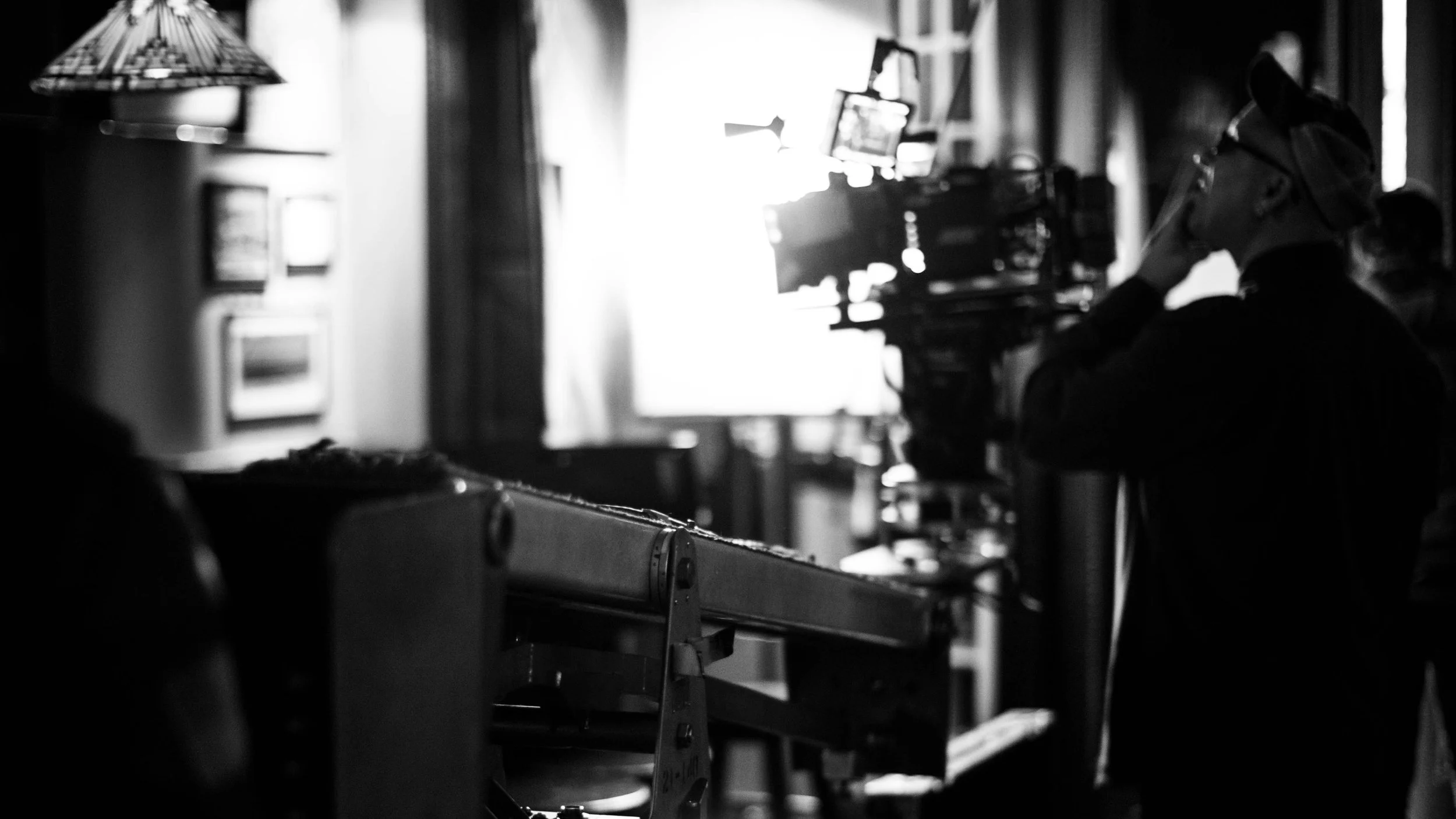
Christopher Nolan, Martin Scorsese, Stanley Kubrick, Quentin Tarantino, Wes Anderson
Think about the world's great auteur filmmakers: Christopher Nolan, Martin Scorsese, Stanley Kubrick, Quentin Tarantino, Wes Anderson. Hundreds of people contribute to making one of their films…
Writers
Cinematographers
Editors
Costume designers
Composers
Marketing teams
Distributors
Commercial partners
Each brings expertise the director may not possess, and each can improve the finished film. But in auteur cinema, one person remains responsible for holding the whole vision together: the director.
Too often, music works differently. The label builds its campaign, the merch team develops products, the brand agency pursues partnerships, the social team creates content, the live business promotes the tour. Everyone is doing good work, but they're just not always working towards the same destination. I've seen it countless times.
A museum exhibition is announced, but nobody has aligned the product, content or partnership strategy around it.
A movie cameo changes public perception of the artist, but the wider commercial strategy or other areas of the fan ecosystem miss the opportunity to exploit it.
An intensely engaged group of fans emerges around one part of the business, while another department continues talking to exactly the same audience it reached five years earlier.
None of those people is failing; they’re simply solving different problems. That's what happens when nobody owns the whole picture.
Last week, I argued that business models determine strategy, which means every commercial partner naturally optimises for the part of the ecosystem they’re responsible for.
The label optimises recorded music
The promoter optimises ticket sales
The merch partner optimises…er…merch
I mean, exactly as they would. But somebody has to optimise for the artist’s whole career - not the stream, the ticket or the T-shirt in isolation, but the entire joined-up career. That's the manager's responsibility.
Not merely chasing everyone for updates but setting the direction.
Deciding which audiences matter
Which relationships should be deepened
Which partnerships strengthen the artist
Which opportunities should be ignored
Which stories deserve to be told
And how every commercial decision connects back to one coherent strategic vision.
“…film directors aren’t necessarily the best cinematographers…”
THIS IS WHY THE FAN ECOSYSTEM MATTERS.
Look, I know this feels like ‘teaching-granny-to-suck-eggs’, but then why do we so often see misaligned activity across the fan ecosystem? Artists don't build careers inside one revenue stream, they build them across an interconnected ecosystem of audiences, relationships, experiences, revenue streams and commercial partners. Every part affects the others.
An action in one part of that ecosystem should create consequences and opportunities across several others. Or at least, that’s what should happen.
A successful tour can create opportunities to engage and empower different groups of fans
A cultural partnership can change how an artist is perceived, connect them with a new audience and spark new revenue opportunities.
Fans live in the real world, where there is no such thing as campaign windows, frontline, catalogue, etc. A deeper understanding of fan motivation can unlock opportunities across the entire ecosystem, while sparking and shaping new forms of innovation and activation. The ecosystem doesn't need more activity. It needs direction and orchestration based on a solid emotional, attitudinal and motivational understanding of the fanbase.
That’s so important because, ultimately, it’s the fan who constructs the ecosystem. Not the label or the manager.
They decide how, where and why they connect with the artist, based on the emotional, psychological and practical role that artist plays in their life. This is where ownership of fan understanding changes the manager's role, because when artist management understands not simply what fans do, but why they do it, it can set direction rather than merely coordinate activity. It can identify:
Which fan groups should be prioritised for a particular objective
What different groups value
Where future growth might come from
Which opportunities will deepen the relationship
What might generate short-term revenue yet weaken the artist’s long-term position
It allows management to stop reacting and start directing. This doesn't diminish the role of the specialists. It makes every partner stronger.
Labels receive better strategic briefs and can focus on what they do best
Brand agencies pursue more relevant opportunities that extend the artist’s narrative and fan experience
Promoters understand the wider narrative
Social teams understand who they are speaking to and why
Merch becomes part of the story rather than simply another revenue stream
Everybody benefits, because everybody is now contributing to one film instead of making their own.

This isn’t an entirely new definition of great artist management; it’s what the very best managers have always done. The difference is that the modern artist ecosystem has become more complicated, more fragmented and more specialised.
At the same time, managers now have access to the insight and strategic tools needed to hold that ecosystem together and ensure that everything is directed towards the same vision. Because the greatest film directors aren’t necessarily the best cinematographers, editors or composers. They’re the people who know exactly what story they’re trying to tell, and then surround themselves with extraordinary specialists who help bring that vision to life.
That is what great artist management must do. Not be the busiest person in the room, but the clearest thinker in the room. The auteur.
Because in the future, I suspect artists won’t be defined by the number of specialists they hire. They’ll be defined by whether all those specialists are helping tell the same story.
NEXT WEEK
AN AUDIENCE IS NOT A COMMUNITY. AND A COMMUNITY IS NOT A FAN STRATEGY.
The music industry is finally recognising that relationships matter, but:
An email list isn't automatically a relationship
A Discord server is not automatically a community
And neither, on its own, constitutes a fan strategy.
Need help understanding your fans, and then turning that understanding into a coherent artist strategy? Find out more about the Superfan Engine.