
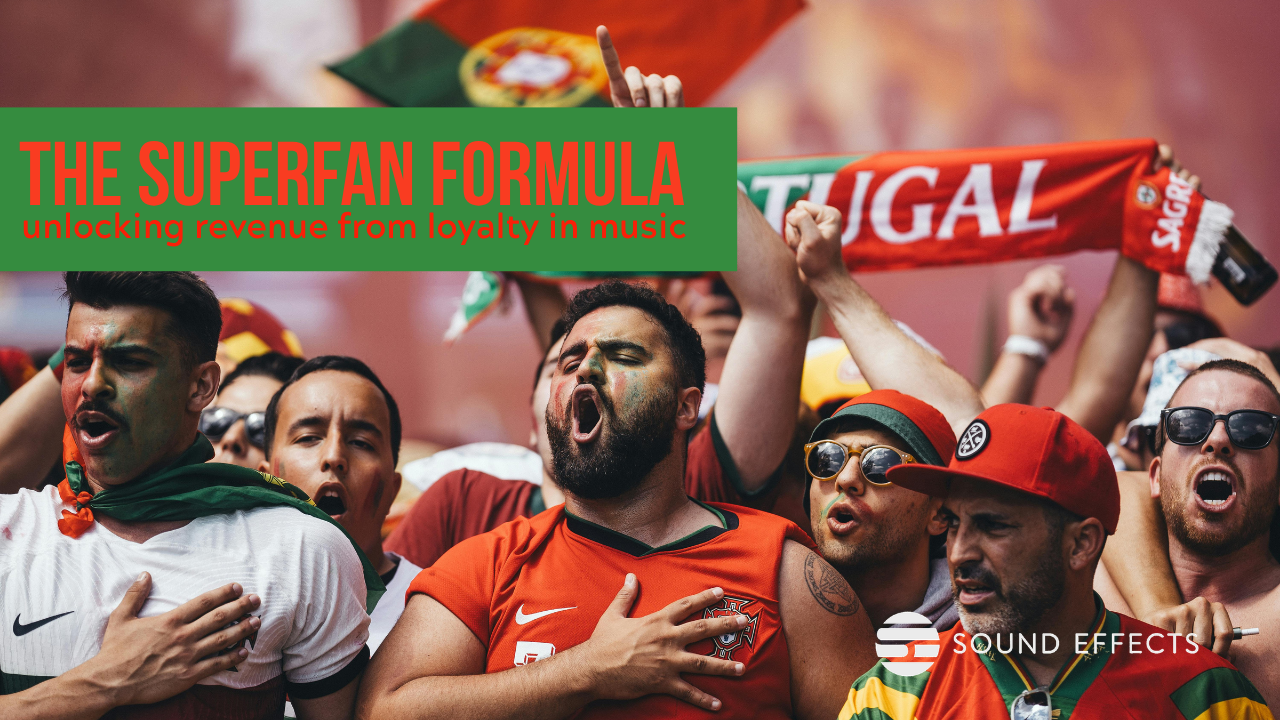
THE NEXT PHASE OF GROWTH IN MUSIC AND SPORT WILL NOT BE BUILT BY ORGANISATIONS THAT SIMPLY COLLECT MORE DATA, LAUNCH MORE APPS OR CREATE MORE PREMIUM PACKAGES.
It will be built by those who understand the emotional infrastructure already sitting beneath their audience: identity, memory, ritual, belonging and advocacy. This article explores why fandom is not built on platforms, but on meaning.
There’s a lot of infrastructure being built around fans at the moment.
CRM systems
Ticketing platforms
Fan apps
Membership layers
Data warehouses
Content engines
Loyalty schemes
Dashboards with more colourful graphs than is strictly healthy
All useful, in their own way, but most of it is built around the same assumption that “If we can capture more fan behaviour, we can create more fan value.” Which sounds sensible, until you remember that behaviour is not the same as meaning.
A fan buying a ticket, opening an email, scanning into a stadium, streaming a track, purchasing a shirt, liking a post, joining a membership scheme or clicking a pre-save link tells you something happened. It does not tell you why it mattered.
And in music and sport, the why is everything. Because the most valuable infrastructure in fandom is not technological. It is emotional.
"...ALL THE TECH IN THE WORLD WILL ONLY HELP YOU MISUNDERSTAND FANS MORE EFFICIENTLY."
FANS ARE NOT JUST USERS
This is where music and sport are different from almost every other category. People don’t support a football club the way they choose a broadband provider. They don’t love an artist the way they prefer a brand of washing powder. They don’t spend five days at a Test match because the customer journey has been optimised. Although, to be fair, anyone who has sat through a full day of 73 for 2 in heavy cloud cover has almost certainly entered a different spiritual plane.
Fandom is not simply consumption. It is identity.
That is the emotional infrastructure sitting underneath the commercial relationship. And if you don’t understand that emotional infrastructure, all the tech in the world will only help you misunderstand fans more efficiently.
MUSIC ALREADY LEARNED THIS THE HARD WAY
Music has spent the last decade becoming astonishingly good at measuring activity - Streams. Skips. Saves. Shares. Opens. Clicks. Follows. Completion rates. Audience overlaps. Platform performance. Blah, blah, blah.
Useful? Yes. Enough? No.
Because the artists who last are not simply the ones who generate activity, they’re the ones who become part of people’s lives.
The album that drags someone straight back to who they once were
The catalogue artist a teenager discovers and claims as their own
The band that becomes shorthand for a friendship group
The song that carries grief, confidence, rebellion, romance, escape or whatever emotional chaos people are dragging around that week
That is not captured properly in a dashboard, because it lives in meaning. And meaning, inconveniently for everyone who wants a cheap shortcut, has to be understood.
"...MESSY, HUMAN, IRRATIONAL VALUE. YOU KNOW, THE BEST KIND."
SPORT IS BUILT ON THE SAME THING
Sport is emotional infrastructure in its purest form. A rugby club can be community, personal identity, local pride, social fabric, inherited belonging and a quite extraordinary amount of chat about the referee.
A football club can be geography, class, family, rebellion, identity, memory and ritual all dressed up as 11 people trying not to concede from a set piece.
Cricket can be summer, patience, family, identity, national mythology, personal nostalgia, tactical obsession and an excuse to spend seven hours with people you love while pretending the score is the main thing.
The commercial mistake is assuming these are just audiences…they’re not. They are living communities of meaning, and the value does not simply sit in what they buy today. It sits in what they carry tomorrow.
The friend they bring
The child they introduce
The WhatsApp group they animate
The memory they protect
The story they repeat
The argument they start in a pub for absolutely no rational reason
That is value. Messy, human, irrational value. You know, the best kind.
THE PROBLEM: WE’RE BUILDING AROUND FANS, NOT FROM THEM
Too much fan infrastructure is still built from the organisation outward instead of grounded in a strategic starting point. The starting point should be: What does this artist, club or sport mean in the fan’s life? What role does it play when nothing is being sold?
Is it identity?
Escape?
Status?
Belonging?
Memory?
Discovery?
Community?
Self-expression?
A family ritual?
A private obsession?
A way to feel part of something bigger than the increasingly ridiculous admin of modern existence?
Until you understand that, you are not building emotional infrastructure, you are just building more pipes. And pipes are only useful if you know what should flow through them.
EMOTIONAL INFRASTRUCTURE IS WHAT MAKES GROWTH COMPOUND
This is the part that matters commercially, because when emotional infrastructure is strong, growth compounds.
Fans do not just attend. They bring others.
They do not just consume. They participate.
They do not just follow. They advocate.
They do not just remember. They recruit.
This is why community matters, not in the vague “let’s build a Discord and hope for the best” sense. But in the deeper sense of people feeling that their relationship with an artist, club, sports person or sport is part of who they are and who they want to be around. That is when fan relationships become commercially powerful, because you’re no longer paying for every ounce of attention. The audience starts carrying some of the weight.
That is not accidental. It has to be understood, designed for, rewarded and activated.
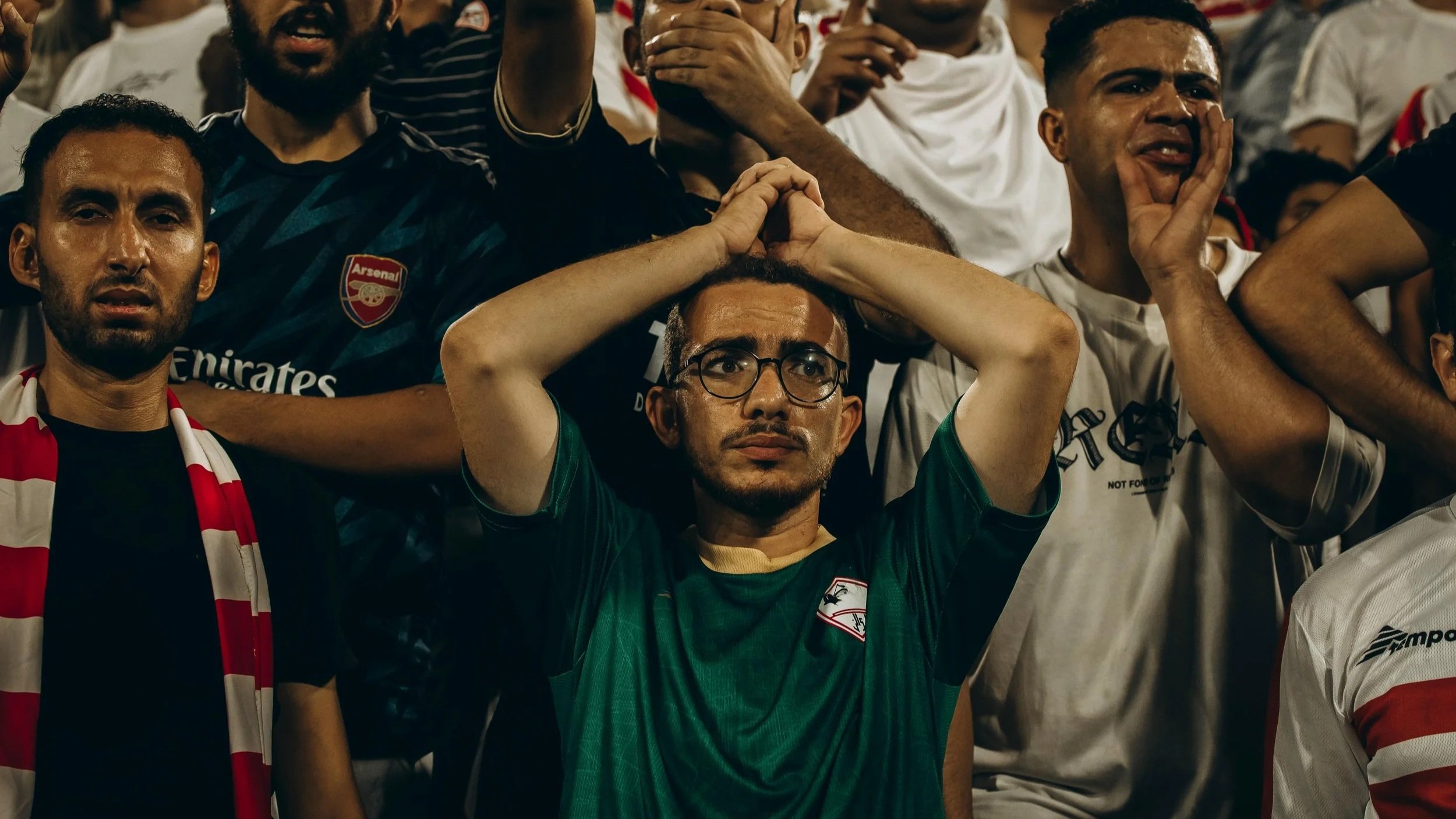
"…the audience starts carrying some of the weight."
THIS IS WHERE STRATEGY HAS TO CHANGE
If the future of fandom is emotional infrastructure, then the job of strategy changes, because it’s no longer enough to ask: How do we sell more? You have to ask:
What emotional need are we serving?
What relationship are we strengthening?
What community are we recognising?
What participation are we enabling?
What behaviour are we encouraging?
What value are we creating beyond the transaction?
This applies to a heritage artist, a new artist, an athlete, a football club, a rugby team, a cricket organisation, a league, a venue, a brand partner or a rights-holder. The principle is the same - understand what people care about, then build from that.
Not vaguely. Not sentimentally. Not with a mood board and the word “community” in 48-point type, but properly. With structure. With insight. With strategy. With activation.
“…INSIGHT WITHOUT ACTIVATION IS JUST OBSERVATION & ACTIVATION WITHOUT UNDERSTANDING IS JUST NOISE.”
WHY THIS IS WHERE SOUND EFFECTS SITS
This is why Sound Effects exists. The opportunity is no longer just to understand fans better, it’s to turn that understanding into action, growth and commercial innovation.
We help artists, rights-holders, sports organisations and brands understand the emotional, cultural and attitudinal drivers behind fandom, then translate that into strategy, engagement, activation and new commercial opportunity.
And this is why we built the Superfan Engine.
Not as another dashboard
Not as a CRM with nicer language
Not as another fan app demanding everyone download yet another bloody thing
But as a governed insight and activation platform designed to identify, understand and mobilise high-value fans and communities. Because insight without activation is just observation and activation without understanding is just noise. The value sits in connecting the two.
FINAL THOUGHT
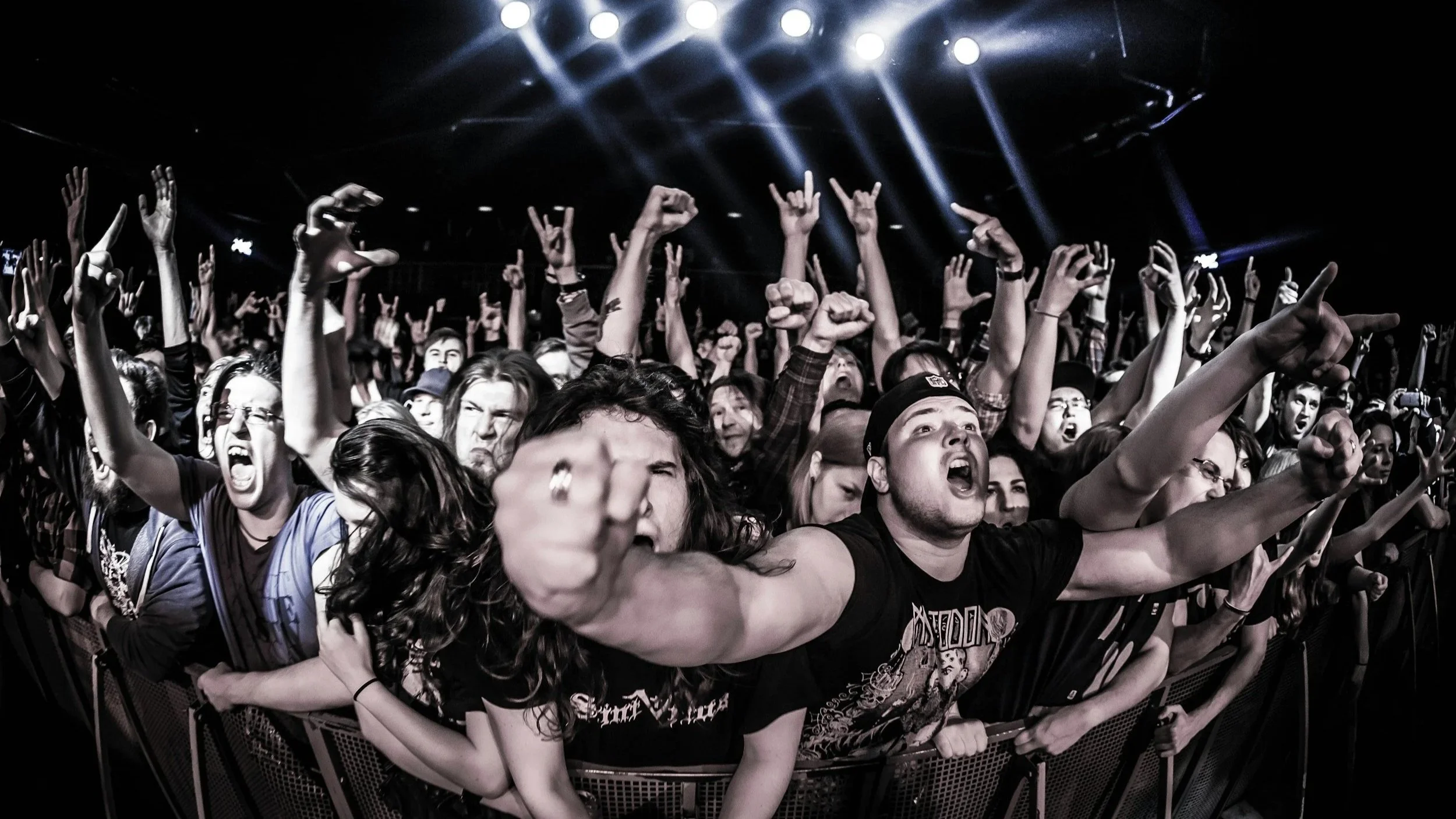
The next phase of growth in music and sport will not be built by the organisations that simply collect more data, launch more apps, publish more content or create more premium packages. It will be built by those who understand the emotional infrastructure already sitting beneath their audience.
The identity
The memory
The values
The ritual
The belonging
The advocacy
The irrational, wonderful, commercially powerful reasons people care
That is the infrastructure that matters. Technology can support it. Data can help describe it. Content can express it. Experiences can deepen it. But none of them replace it.
Because fandom is not built on platforms, it is built on meaning. And meaning is where the value lives.
