
BECAUSE A LANYARD AND A SLIGHTLY BETTER QUEUE ISN’T A FAN STRATEGY

VIP is the phrase that has been dragged around music and sport for years, looking increasingly tired and slightly embarrassed. Very Important Person - a lovely idea in principle. Recognition. Access. Proximity. A sense that your loyalty, passion and commitment have been seen. But somewhere along the way, VIP got flattened into a commercial package, and what should be about emotional value becomes another pricing tier.
VIP SHOULD MEAN MORE THAN EXPENSIVE
There is absolutely nothing wrong with premium offers. Some fans want more. Some fans will happily pay for more. In music, sport, theatre, gaming, whatever, there will always be people who want deeper access, better experiences and a greater sense of proximity to the thing they love. That’s not the issue. The issue is when “premium” becomes a substitute for imagination. Because a higher price does not automatically create a deeper relationship.
MUSIC HAS BEEN GUILTY OF THIS FOR YEARS
In music, VIP often means a package wrapped around a ticket. Early entry. Premium seat. Exclusive merch. Maybe a soundcheck. Maybe a photo. Maybe a meet-and-greet operating with all the warmth and spontaneity of US Border Control. Again, not all bad. Some of these things can be amazing when done properly.
But too often they’re not grounded or shaped by the emotional reason the fan cares in the first place.
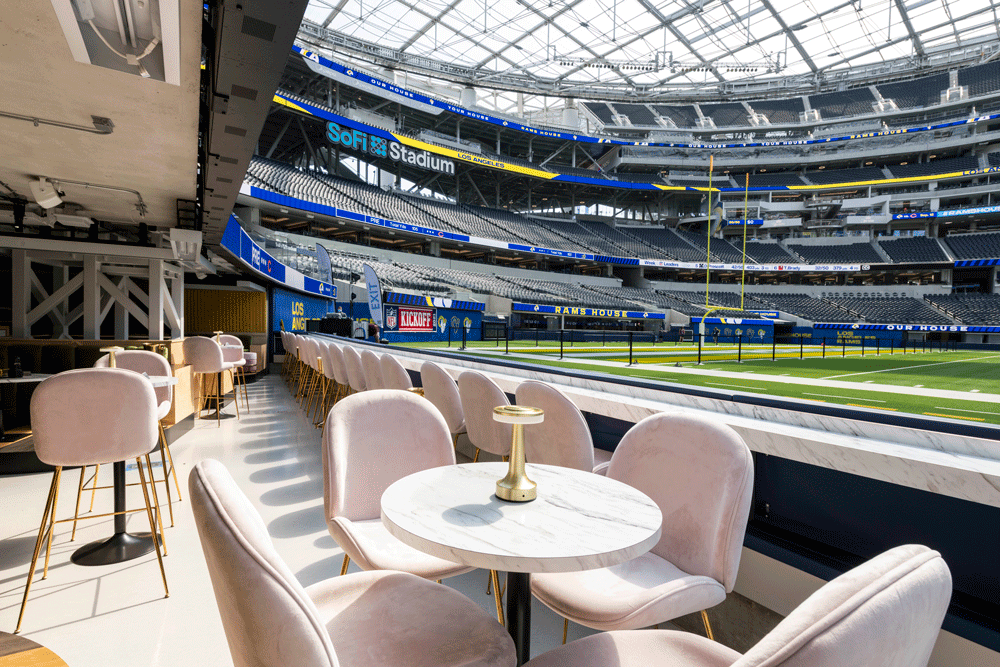
SPORT HAS ITS OWN VIP PROBLEM
Football has hospitality boxes, premium lounges, tunnel clubs, upgraded memberships and more “experiences” than most clubs have left-backs. Rugby has long understood the value of hospitality, sponsors, dinners and the social world around the game. Cricket, frankly, might have invented the idea of turning watching sport into a full-day hospitality ecosystem involving lunch, ritual, weather anxiety and the strategic deployment of lager. But across all three, the same question applies:
Is the experience deepening the fan relationship? Or is it simply monetising proximity?
The best sports experiences understand the emotional world of the fan. That’s what VIP should tap into.
THE RISK: YOU REWARD MONEY, NOT MEANING
Ah, Roy Keane and the prawn sandwich brigade. When VIP simply means “who can afford the best package?”, you often end up rewarding the wrong behaviour.
Not the fan who carries the culture
Not the supporter who brings ten people with them
Not the person who runs the WhatsApp group, posts the clips, explains the history, drags their mates along, defends the club, champions the artist, or keeps the flame alive when everyone else has wandered off to the next shiny thing.
You reward the person with the budget.
Now, nothing wrong with that person. We like that person. That person helps keep the lights on. God bless their Amex. But if VIP only rewards spending power, it risks excluding, irritating or quietly alienating the very fans who created the value in the first place.
The true fan sees it. They notice when:
the best access goes to people who barely watch the gig
the premium area is full of people talking through the set
the hospitality box is louder than the crowd
the most committed supporters are outside the rope while the least emotionally invested are inside it.
And over time, that creates a very dangerous feeling: “This isn’t really for us anymore.” That’s not just a fan issue; that’s a growth issue. Because when the people with the deepest emotional commitment feel pushed aside, you don’t just lose goodwill, you weaken the very network that helps new audiences come in.
THE BEST FAN EXPERIENCES ARE BUILT FROM THE FAN OUT
The lazy way to build a VIP offer is to start with assets - what can we sell? What can we stick in a bundle? What can we call “exclusive” without everyone laughing?
The better way is to start with the fan.
What’s the emotional construction of their fandom.
What do they want to feel closer to?
What part of the story do they want to understand?
What do they want recognised?
What would make them feel seen?
What would they tell their friends about for years?
And of course, that last one matters, because a truly powerful fan experience does not end when the event ends. It becomes a memory, and memories are commercially useful little beasts.
They drive repeat purchase
They drive advocacy
They drive belonging
They drive the story fans tell about why this thing matters
If your VIP offer creates a moment people remember, share and build into their identity, it has value far beyond the transaction.
PARTICIPATION BEATS PACKAGING
This is where music and sport still miss the trick. The most powerful “premium” fan experiences are often not the most polished, but the most participatory like being asked to contribute; or trusted with a story, invited behind the curtain, or given a role, not just a seat, or recognised as a person of importance who carries the culture.
It’s not that fans should run the show. They shouldn’t. That way madness lies, and probably a 47-page Reddit thread. But because the people who care most often understand parts of the emotional world better than the organisation does. Ignore that, and you miss value. Invite it in properly, and you create momentum.
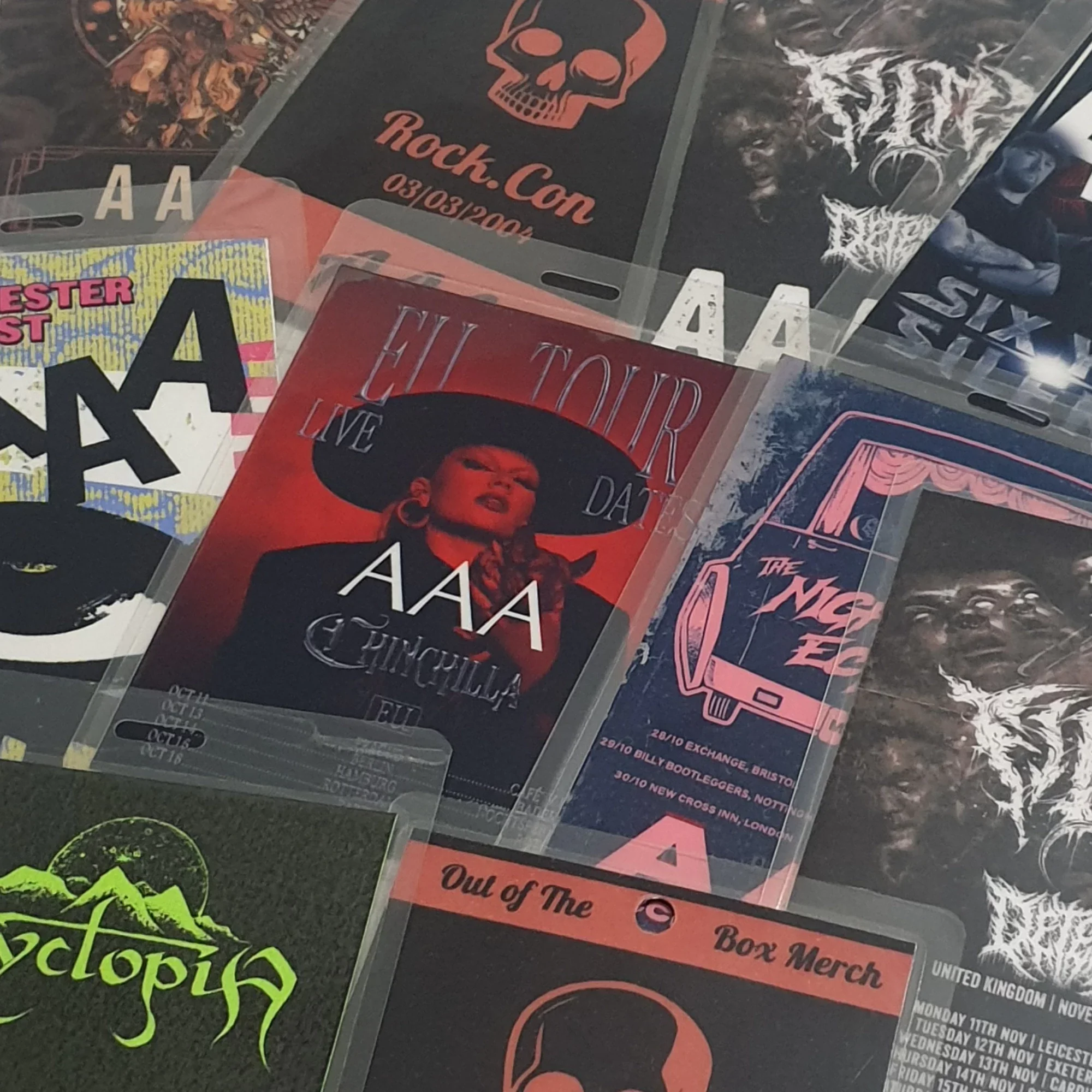
VIP AS A GROWTH ENGINE
This is the opportunity most organisations miss. VIP should not just be a premium revenue line. It should be a recognition system. A reward system. A participation system. And, if done properly, a growth system.
You see some fans have agency. They move culture. They create noise. They influence others, not because they call themselves influencers, but because people trust them. They’re the friend who tells you which gig matters. The supporter who brings the new fan along. The person whose taste carries weight in their little corner of the world.
Those fans may not always be the highest spenders, but they may be the highest value. That distinction matters enormously. You see a purely transactional VIP model asks:
“Who will pay the most for access?”
A strategic VIP model asks:
“Who can we recognise, reward and mobilise to help the whole ecosystem grow?”
That is where the long-term commercial value sits. Because the right fan experience does not just make one person feel special. It creates a story that travels, creating advocacy and sparking organic reach. It gives fans something to talk about, post about, share, repeat, remember and invite others into. And starts becoming a growth mechanism.
VIP WITHOUT HUMAN UNDERSTANDING IS JUST PACKAGING
The problem is too many fan experiences are designed from assumptions. Fans are not neat little commercial boxes. Fans are not built the same.
One rugby supporter may be there for family ritual, another for tactical obsession, another because the club is where they belong. Music is no different. One heritage fan may want archive detail, another nostalgia, another status, another a way to introduce their child to something that shaped their own life.
The same behaviour can hide completely different motivations. That’s why understanding matters. Otherwise, you’re guessing.
FINAL THOUGHT
So, VIP should not mean very inflated pricing. It should mean very intentional participation.
Yes, sell premium experiences. Yes, create revenue. Yes, give people the chance to go deeper if they want to and can afford to. But do not confuse the richest fan with the most valuable fan. Sometimes the most valuable fan is the one with the loudest network, the deepest belief, the strongest advocacy, the most trusted voice, or the greatest ability to bring others in.
That is why VIP needs to become more than a transaction.
It should recognise the fans who carry meaning
Reward the fans who create momentum
Involve the fans who understand the culture
Mobilise the fans who can help grow it
Whether you are working with an artist, a catalogue, a football club, a rugby team or a cricket organisation, the principle is the same. The people who care most are not just there to buy the premium package. They are there to feel part of something. Which means the question is not simply:
“What can we charge them for?”
It is:
“Who should we recognise, what should we invite them into, and how can that deepen the relationship for everyone else?”
That is where fan experience starts becoming fan strategy and that is where VIP starts to mean something again.