Lots of talk about the RIAA's numbers and what they mean.

This great piece by Mark Mulligan stirred thoughts about supremium - The fundamental concept of “supremium” risks being a cynical cash grab - squeezing more out of “superfans” already spending “70% more” than the rest. It’s strategically lazy just milking them rather than cultivating growth among casual & latent fans with potential but are yet to be fully engaged. The reality, its driven by the limited rights that record companies have control over, but risks negative affect on the artists brand and what happens across their wider career outside those limited rights.

Truly serving the fanatical isn't about relying on “supremium” tiers or 'exclusive' content for a small group. It’s about deepening the artist-fan connection across the board, through diverse revenue streams beyond streaming. Superfans want more than just early access or exclusive merch—they want a meaningful relationships.

Artist gotta take back control! At Sound Effects we focus on diversifying revenue streams - using attitudinal insights to help artists tap into incremental opportunities that go beyond the “supremium” model—building stronger, sustainable relationships with all fans.

Superfans may want something extra - shouldn't come at the expense of alienating the broader audience or leaving artists at the mercy of intermediaries.


Spotify’s annual Loud & Clear report is a masterclass in cherry picked stats and mythmaking.

Hunter Giles breakdown of Spotify’s payouts is a real eye-opener, and highlights why revenue diversification is so crucial to rightsholders.

At Sound Effects, we take a strategic approach to help artists and rights holders identify those incremental revenue opportunities. By using attitudinal insight, we pinpoint areas where artists can unlock new revenue streams beyond streaming. We look at fan behaviour and preferences to inform how to best monetize across different sectors—whether it's physical sales, merch, licensing, or publishing.

What sets us apart is that we develop tailored strategies for each artist or catalogue. We don’t just throw a bunch of ideas at the wall and hope something sticks. We create a comprehensive plan that’s built around diversifying income and boosting resilience across multiple revenue streams. Our goal is to empower artists and rights holders to take control of their financial future, reducing dependency on platforms that aren’t delivering long-term value.

It’s about creating a holistic fan ecosystem where success doesn’t rely solely on one channel, but on a multifaceted approach that builds sustainable growth.

PUTTING THE WORD ‘STRATEGY’ AFTER THE WORD ‘DIGITAL’ DON’T MAKE IT STRATEGY, MATE!

PUTTING THE WORD ‘STRATEGY’ AFTER THE WORD ‘DIGITAL’ DON’T MAKE IT STRATEGY, MATE!

Everyone’s talking about “super-serving superfans” but no one’s asking what’s the actual plan? Strategy isn’t slapping “digital” in front of a campaign—it’s understanding what your artist means to fans, and where they’re going long-term. If you’re still throwing spaghetti at TikTok and calling it a strategy, it’s time to read this.

MUSIC CATALOGUE IS BOLLOCKS!

Now I’ve got your attention, let me clarify what I mean by that statement, because clearly, Music Catalogue is not bollocks. In fact, far from it, with almost all record companies now deriving upwards of 75% of their total annual revenue from Catalogue it’s arguably, everything. Just think how that has flipped a long-held paradigm in the industry.

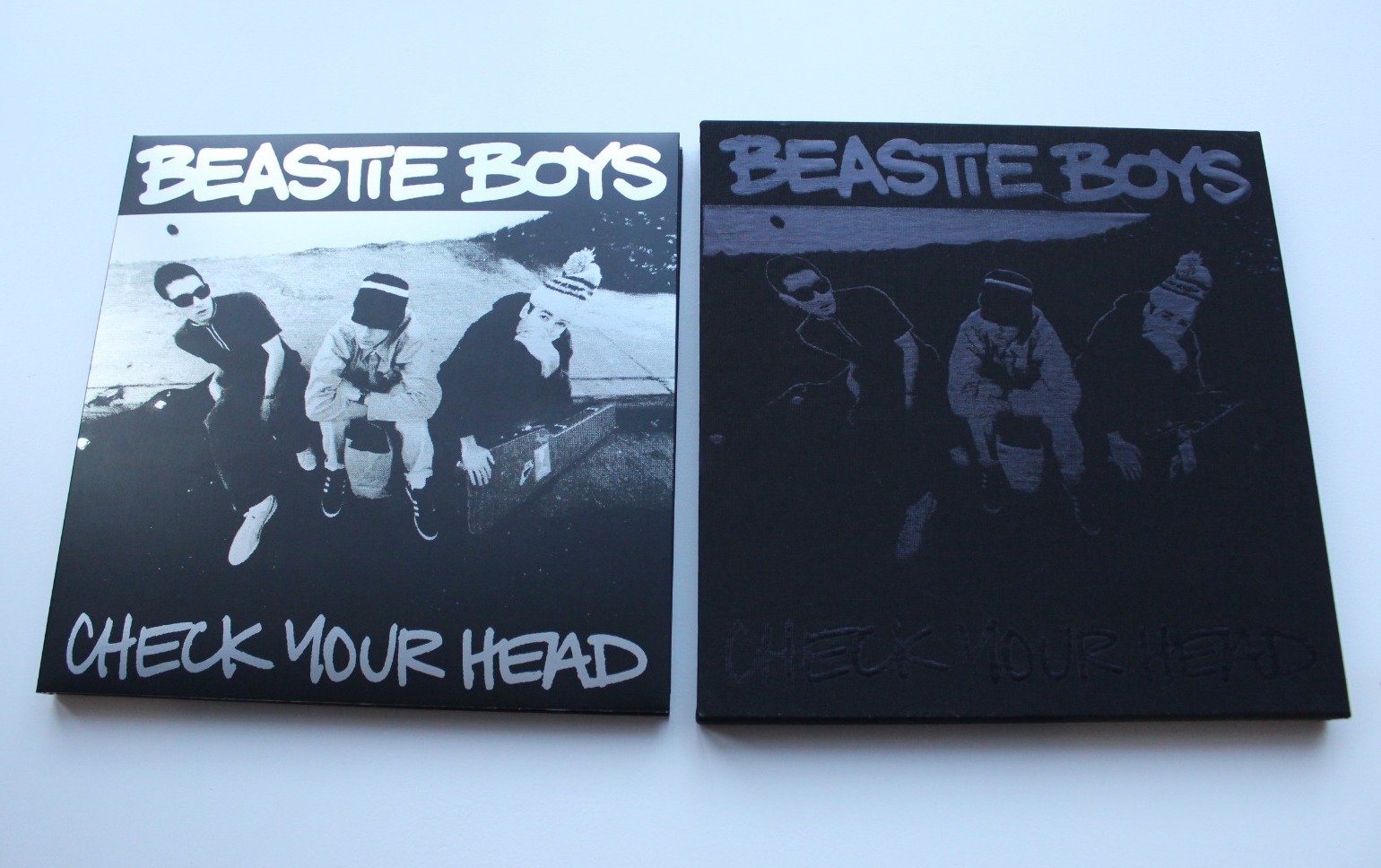
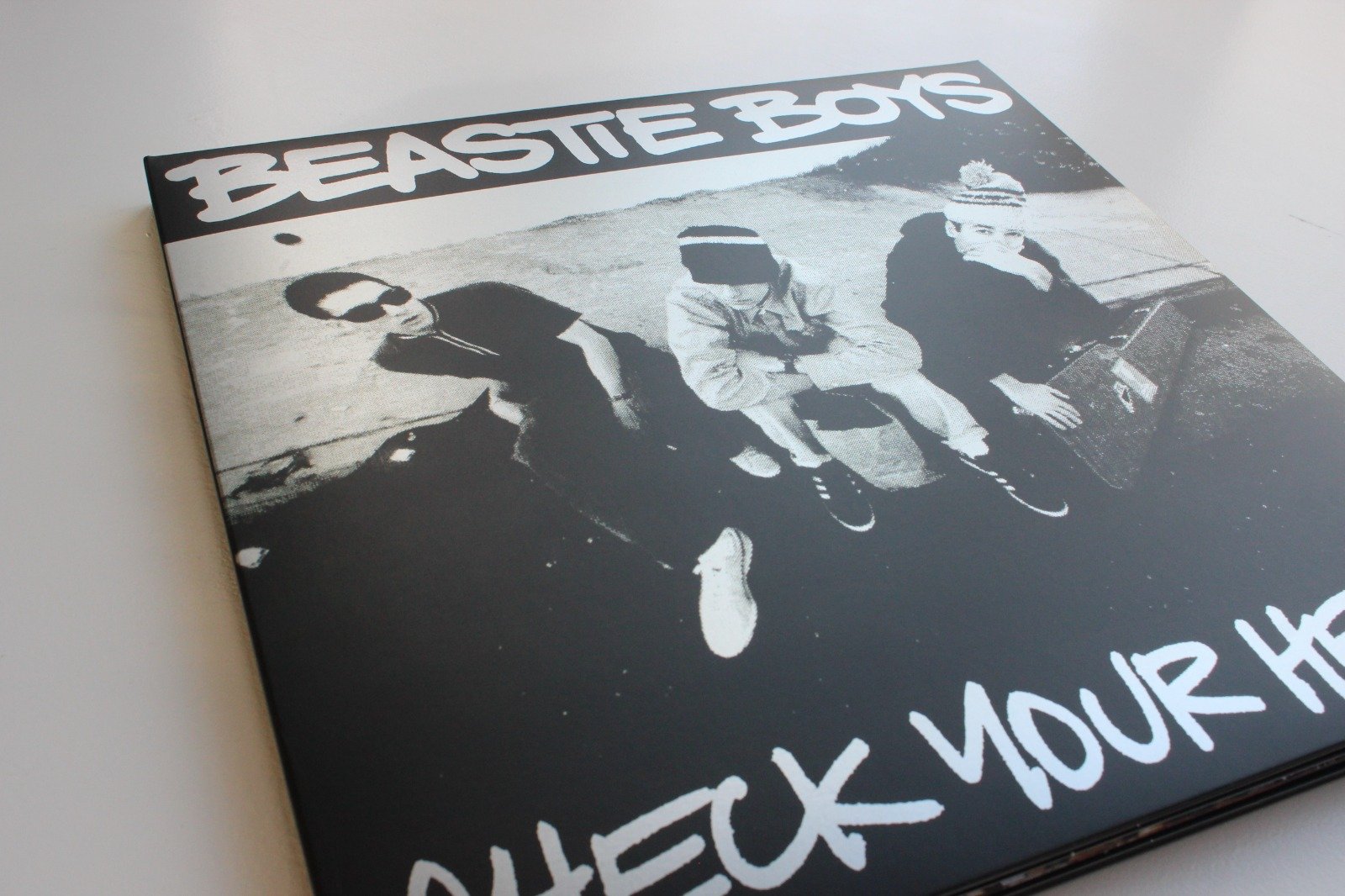
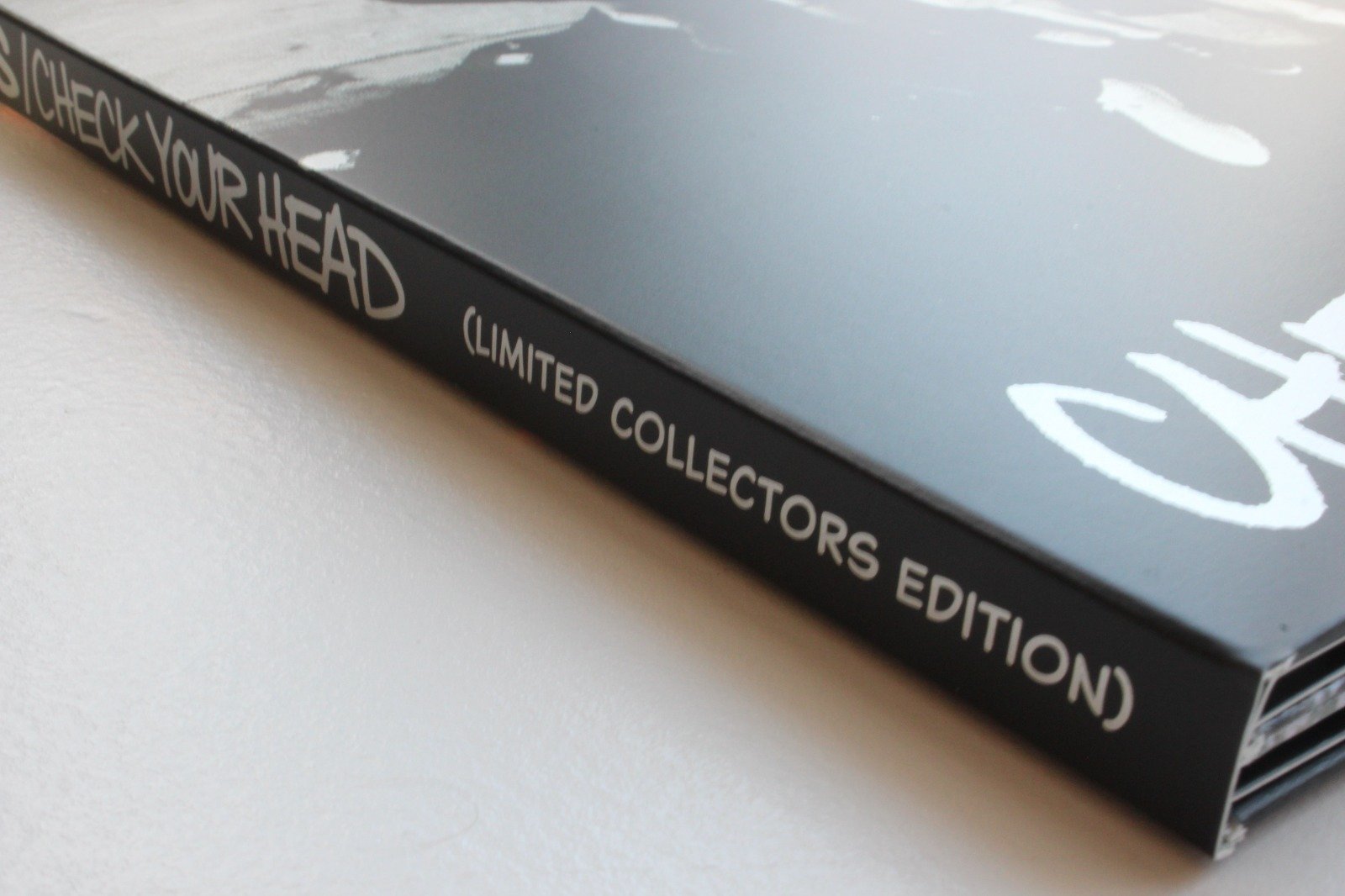
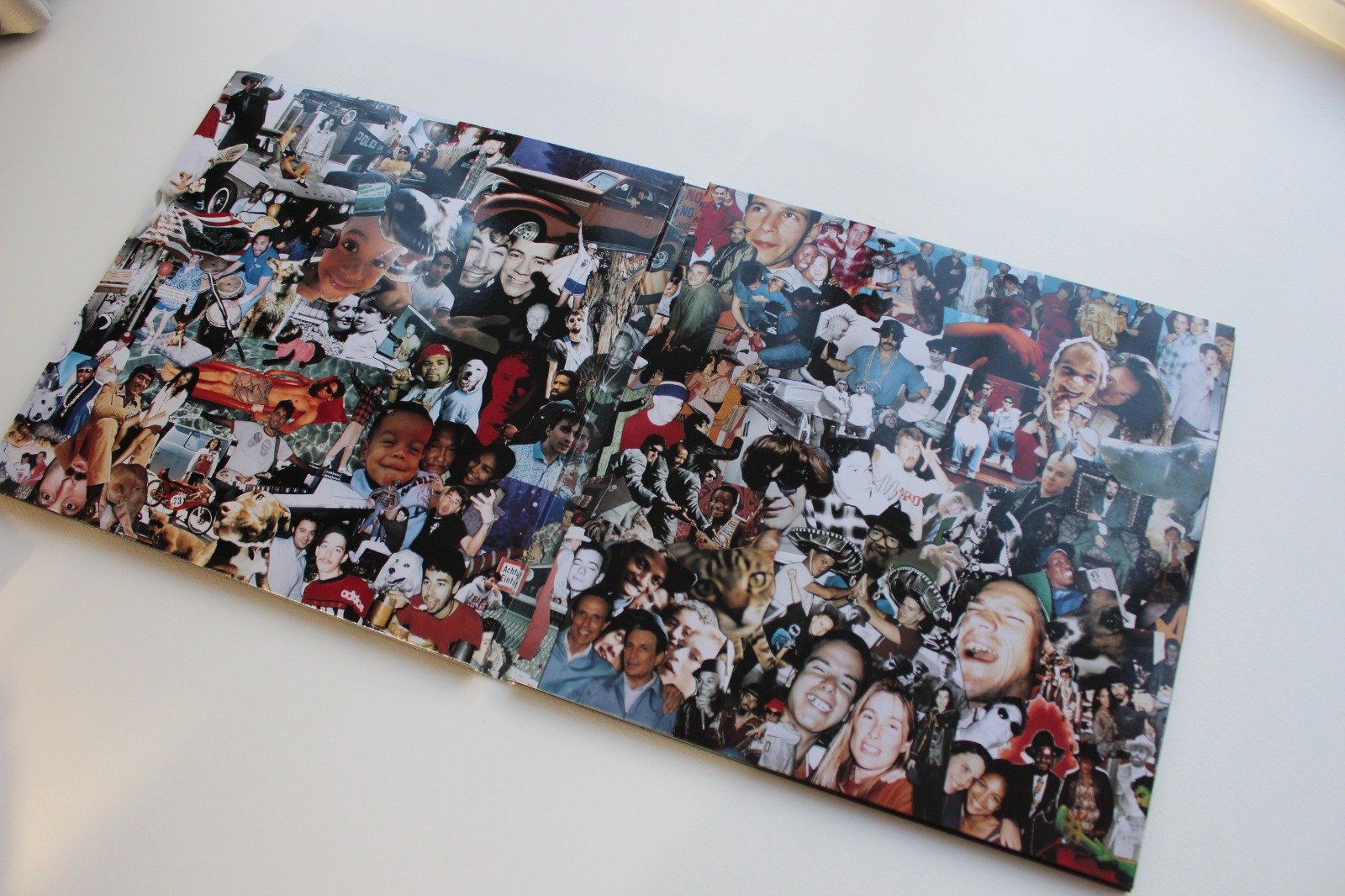
created by Pozzoli S.p.A

So, what exactly is bollocks about Catalogue then? Well, the issue is the word and the way that catalogue has been viewed within the traditional record company structure. But for today, let’s just address that word, or to be more accurate, that ‘label’.

NO ONE IN THE REAL WORLD THINKS OF MUSIC AS CATALOGUE OR FRONTLINE

Absolutely no one in the REAL WORLD (in caps, because lest we forget, in the music business we don’t work in the real world), uses the term, or thinks of music as Catalogue or Frontline. ‘Hang on, hang on’ I hear you shout; ‘but some do use the term ‘new music’! Yes, I can’t deny that, but they’re not always using that term to describe what you are talking about, dear music biz professional. Sometimes they’re ‘consciously’ referring to something else and more often ‘subconsciously’ labelling something completely different as ‘new’.

contemporary and relevant to their life at that point of discovery

I first want to take you back dear reader, to past work the team has done with legends like Zeppelin, Floyd, Bowie, Prince et al. Despite a few nuanced project objectives for each artist project, they usually boiled down to two requests:

1. where are the original fans and what are their attitudes, behaviours and values today?

2. can we contemporize the artist for a new audience?

As a quick aside, I’ll also point out that the answer to b) is almost always, YES and we’ve successfully identified multiple ways of doing just that. But hey, if you want to know more about that, you’ll need to come behind the ‘pay-wall’ as they say. Just email us.

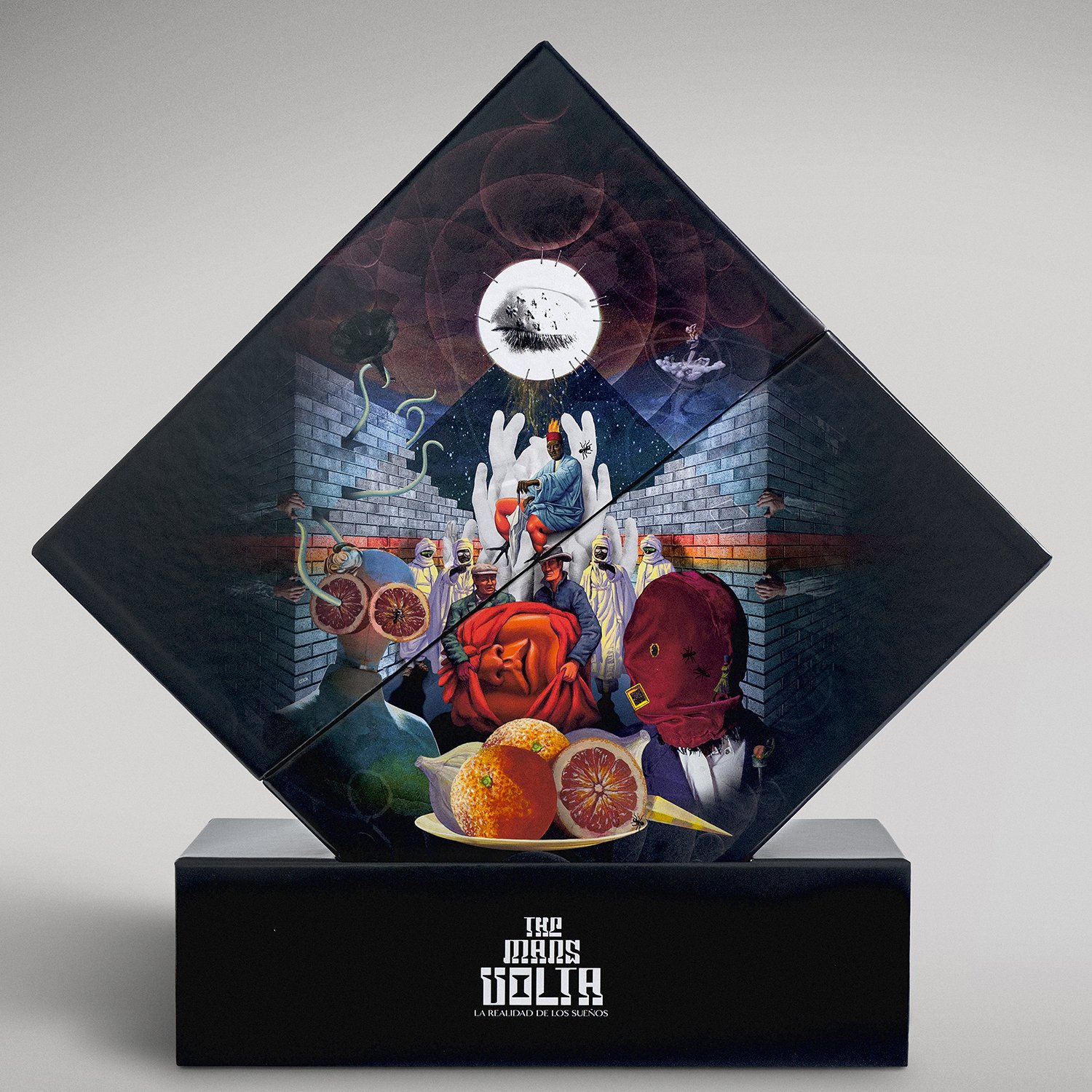
created by Pozzoli S.p.A for The Mars Volta

The insight that we discovered working with many artists like these is that new audiences, (meaning those newly discovering the artists music), will consider these ‘Catalogue’ artists as ‘new music’ at the point that they discover them. Consciously labelling or subconsciously perceiving the ‘catalogue’ music as…you guessed it…‘new music’. And this is always the way with younger audiences, those that weren’t there at the time. A 14-year-old discovering Monkey Gone To Heaven or Waterloo Sunset or Policy of Truth for the first time, consider those tracks ‘new music’, that's contemporary and relevant to their life at that point of discovery, in that very moment.

A 14-year-old discovering Monkey Gone To Heaven or Waterloo Sunset or Policy of Truth for the first time, consider those tracks ‘new music’, contemporary and relevant at the point of discovery.

So that's great news as it should open up fantastic opportunities for these established artists. Yes, but no amount of transactional (WHAT) data or any ‘silver bullet’ App is going to be able to explain the parameters of that contemporisation.  Don’t get me wrong, there are some fantastic moves already being made, some that I’m proud to say we’ve been involved in, but there’s still so much more opportunity which just isn’t being realised.

Historically Catalogue wasn’t sexy enough for senior management. The extraordinarily knowledgeable and talented people that tended, protected and developed these treasures were pushed to the darker recesses of the building, and frankly not supported. Ironically, now Catalogue’s ‘keeping the lights on’, these talented people in Catalogue (those that are left) are being asked to deliver more…but with less.

there’s more opportunity within the fan eco-system for Catalogue artists, than Frontline.

Recently, The Superfan Formula (December 6th) introduced the fan eco-system and the opportunities within. Arguably, there’s more opportunity within the fan eco-system for Catalogue artists, than Frontline. However, to realise those opportunities to their fullest means going beyond the traditional record company cycle of reissues, a boxset here, a synch there and requires:

  • A collection of additive skills, knowledge, contacts not customary to a record company

  • Time and long-term strategic thinking

  • Sway beyond recorded rights

  • Holistic, connected activation.

Of course, before all that, one needs that thorough understanding of that contemporised relevance we talked about. A relevance wedded in a unique mixture of beliefs, emotions and behaviour. That's never going to be explained by the torrent of WHAT data music companies are drowning in, or some ‘silver bullet’ App. That can only come from WHY data.

Over the coming weeks, we’ll aim to discuss further and highlight great practice in this area. But if you’re impatient and eager to learn more now, then get in contact.

Till next time mon ami

P