
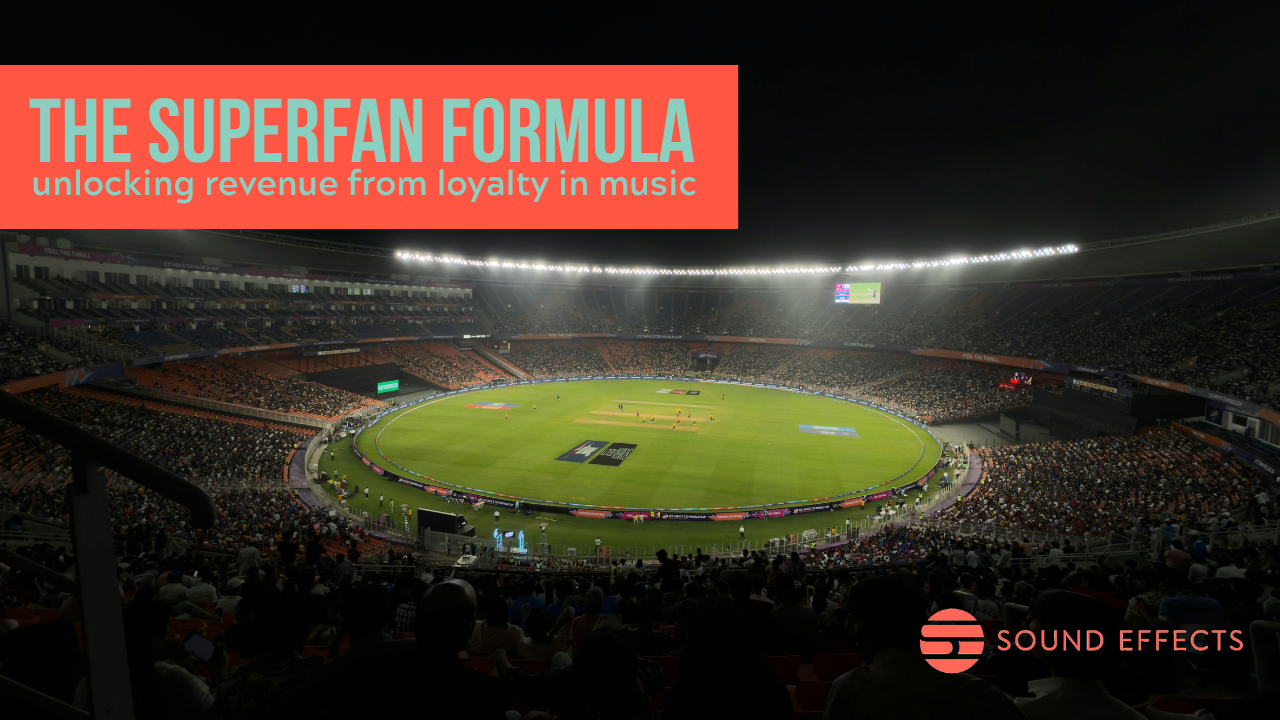
Fans Don’t Live in Campaigns. So Why Do We Still Build Strategy Around Them?
There’s a strange little fiction sitting at the heart of music. And sport, come to think of it. It’s the idea that fans experience the things they love in the same neat little blocks the business uses to manage them, you know, album cycle, tour cycle, campaign window, new kit reveal, post-match content plan, anniversary campaign. All lovely and tidy and makes the spreadsheet purr.
But here’s the inconvenient bit. Fans don’t live in campaigns; they live in relationships.
And relationships, as anyone who has ever attempted one will know, do not politely begin on a Monday morning because someone in marketing has moved a box on a project plan from ‘pending’ to ‘live’. Relationships are messier than that. More emotional. More irrational. More continuous. More…human.
Which is slightly annoying if your entire business is still structured around short bursts of attention.

CAMPAIGNS END. FANDOM DOESN’T.
In music, we still talk about campaigns as if they are the natural unit of artist growth.
Single campaign
Album campaign
Catalogue campaign
Tour campaign
We throw everything at the moment. The content, the media spend, the influencer stuff, the playlist push, the TikToks, the pre-save link, the limited-edition thingy with the slightly different cover that somehow now counts as strategic innovation. Then the campaign ends and the team moves on, the budget closes, the dashboard gets screenshotted and everyone declares it either “solid” or “challenging”, depending on how emotionally honest the room is feeling.
And the fan? Well, the fan is still there. Possibly more interested. Possibly less. Possibly confused. Possibly ready to go deeper. Possibly one nudge away from becoming genuinely committed. But the system has moved on. That’s the problem.
Most marketing is designed around the campaign, but fandom is built in the gaps between them.
SPORT HAS THE SAME PROBLEM
Of course, Sport has its own version of the same madness. Clubs and organisations build around fixtures, seasons, memberships, renewals, tournaments, ticket releases and commercial windows.
Again, all understandable. These things matter. But a football supporter does not stop being a supporter when the final whistle goes. A rugby fan does not only care when the club needs them to renew. A cricket fan’s relationship with the game does not begin at the first ball and end when someone in a bucket hat gets sunburnt outside the beer tent. The emotional relationship is continuous.
It lives in family rituals
In WhatsApp groups
In pub arguments
In childhood memories
In inherited identity
In irrational hope
For some fans, the club or the sport is part of who they are. It sits inside their friendships, their sense of place, their sense of self. But I’m not saying anything that any of you don’t already understand. And yet so much sports marketing still treats fan engagement as something that happens around events - matchday engagement; content engagement; app engagement; ticketing engagement. All useful, but none sufficient, because the real question is not:
“How do we engage them around the next moment?”
It’s:
“What role does this club, team, artist or sport play in their life when nothing is being sold?”
That’s where the value is.
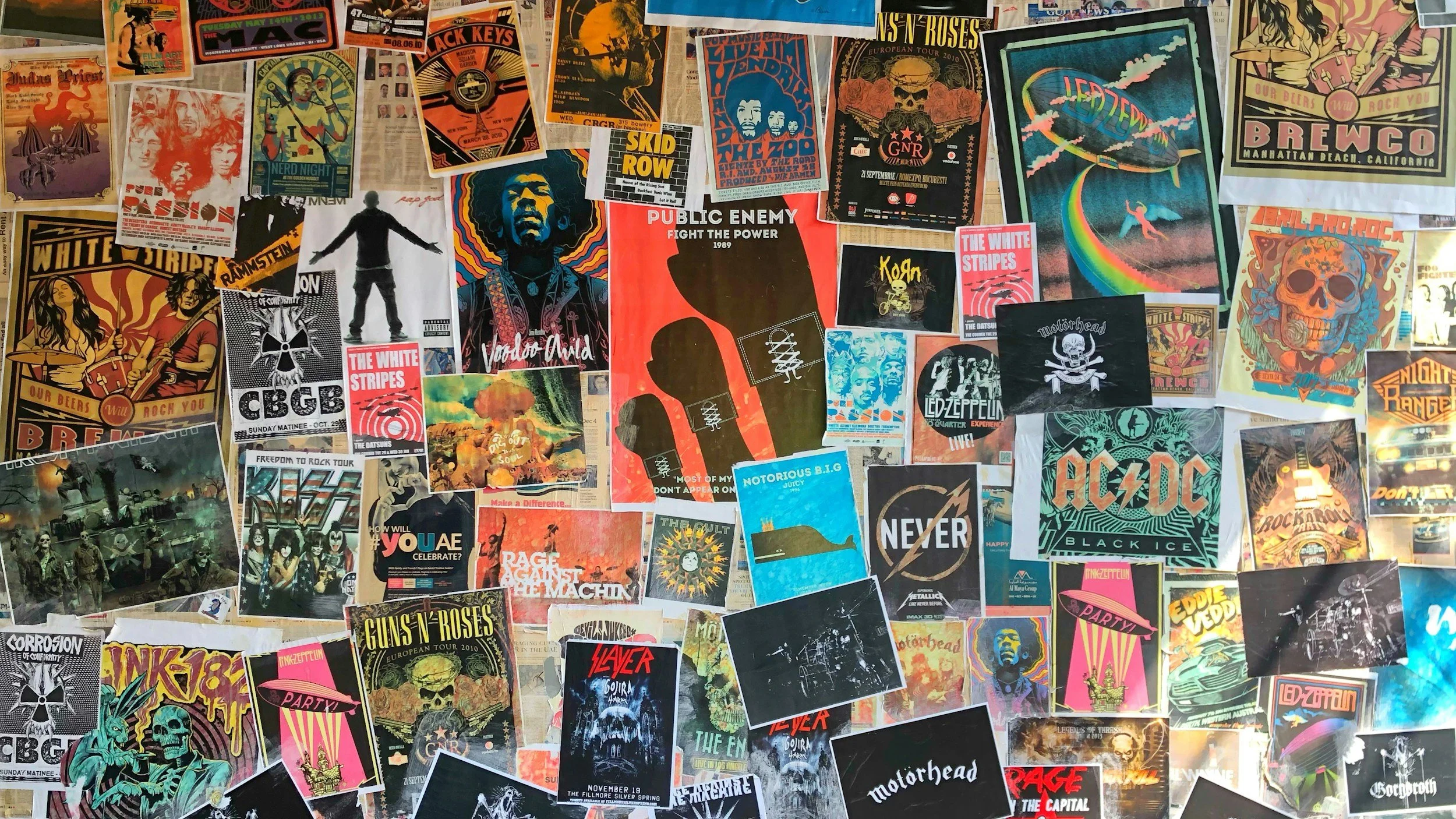
THE CAMPAIGN MINDSET IS TOO SMALL FOR MODERN FANDOM
The campaign mindset made more sense when attention was easier to gather. You had clear media windows. Clear release moments. Clear promotional cycles. Clear routes to market. A manageable number of channels. A functioning attention span across the general population. Ah…those were the days weren’t they Mr Marsh?
Now everything is always on. Every artist is a publisher. Every club is a content brand. Every fan is also a broadcaster, critic, creator, curator, meme distributor and occasional unpaid crisis-management consultant. In that world, a campaign is not enough, because a campaign is temporary.
But fandom compounds. Or at least it should.
Every interaction should make the relationship stronger
Every moment of participation should deepen the connection
Every fan action should teach you something useful
Every piece of understanding should make the next decision smarter
Instead, too many organisations keep starting from scratch with a new campaign, new brief, new “insight”, new panic. It’s the marketing equivalent of repeatedly building a tent in a storm and then acting surprised when it blows away.
FROM CAMPAIGNS TO ECOSYSTEMS
This is where the language needs to change. The future is not campaign-led. It is ecosystem-led.
That sounds a bit grand, I know. The sort of phrase that gets wheeled out by someone in expensive trainers at a conference in Cannes, but in this case, it actually means something simple. A fan ecosystem is the living network of ways people connect with an artist, club, sport, catalogue, team or cultural property. If you’ve forgotten or you’re new to the revolution, check out this past edition of the Superfan Formula to understand what we mean by fan eco-system.
Content. Live. Product. Community. Partnerships. Experiences. Identity. Memory. Ritual. Participation.
As we discussed in the past article, these things do not sit neatly in separate boxes, however much the industry enjoys pretending they do.
A boxset is not just product…
…it can be access, community, belonging and experience.
A football shirt and tour tee are not just merch…
…they’re identity, belonging and public declaration.
A cricket test match is not just a fixture…
…it’s ritual, place, identity, family, patience, connection, joy and occasionally deep personal suffering.
A tour is not just ticketing…
…it’s anticipation, pilgrimage, status, community and proof that you were there.
Fans experience all this as one connected emotional world, where the “business” too often experiences it as departments. That’s the gap.
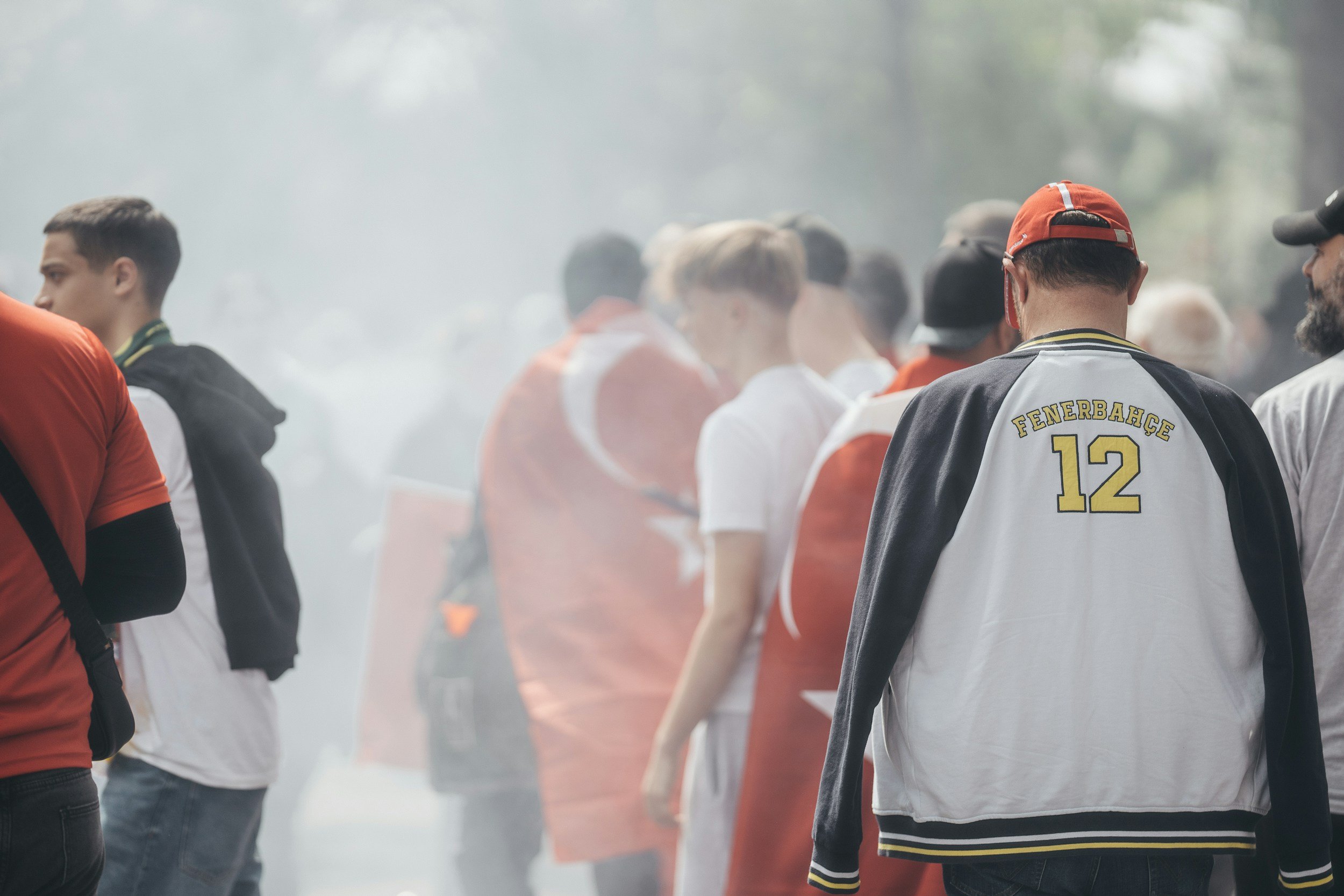
WE KEEP OPTIMISING MOMENTS WHEN WE SHOULD BE BUILDING MEMORY
One of the reasons campaign thinking persists is because it is easy to measure - did the post perform? Did the email convert? Did the ticket link drive clicks? The pre-order work? Fine. Measure all of that. Nobody is suggesting we throw away the dashboards and make decisions by reading tea leaves in the back of a van. The issue is not measurement, the issue is mistaking measurement for meaning.
A campaign can tell you what happened during a defined period, but it rarely tells you what changed in the relationship. So did fans:
feel closer?
understand the artist better?
feel more involved?
bring others in?
become more likely to buy again, attend again, share again, defend again, care again?
That’s the stuff that matters. Because the real value of fandom is not just in the transaction, but in the memory, the identity and the future behaviour that the transaction creates.
RELEVANCE IS NOT A CAMPAIGN WINDOW
This is especially important for heritage artists, catalogue, established clubs and traditional sports. The lazy assumption is that relevance needs to be periodically relaunched via an anniversary, a reissue, retro shirt, legends dinner, influencer moment or maybe a pop-up if everyone’s feeling dangerously innovative.
But great artists do not matter because someone remembered to repackage them every five years.
And great clubs do not matter because someone sent a renewal email with “early bird” in the subject line. They matter because people continue to find meaning in them. Sometimes the original fan. Sometimes the lapsed fan and sometimes the 17-year-old discovering them for the first time and feeling that this supposedly “old” thing has just explained their entire personality better than anyone at school ever has.
FINAL THOUGHT
Campaigns are not going away. Nor should they. You still need launches, announcements, pushes, drops, renewals, fixtures, tours and all the other necessary bits of industry machinery. But they should be expressions of a deeper strategy, not substitutes for one. Because fans do not live in your campaign window. They live in their own world.
The job is to understand that world, understand the role you play within it, and then build something that keeps the relationship alive long after the campaign has ended. That is where the next phase of growth sits. Not in more noise, more content or another short-term spike dressed up as progress. Rather in continuity, participation, memory and meaning.
Campaigns end. Fandom doesn’t.
Next time, we’ll look at one of the biggest mistakes this shift has created: treating superfans as a pricing strategy, rather than the ignition point for growth.
Sound Effects helps rights-holders, artists and sports organisations understand, activate and grow fandom through insight, strategy and fan mobilisation.